
Birch Bay, Washington
Commercial Appliance Repair in Birch Bay, WA
Calls answered 24/7
Our local appliance repair professionals diagnose warm reach-ins, stopped ice machines and stalled commercial dishwashers in Birch Bay. Call now about the unit disrupting your kitchen, shop or rental building; share what staff noticed, and your technician takes it from there.
- Calls answered 24/7
- Commercial appliances
- Serving Birch Bay and nearby
Restaurant Equipment Repair and Other Business Appliances
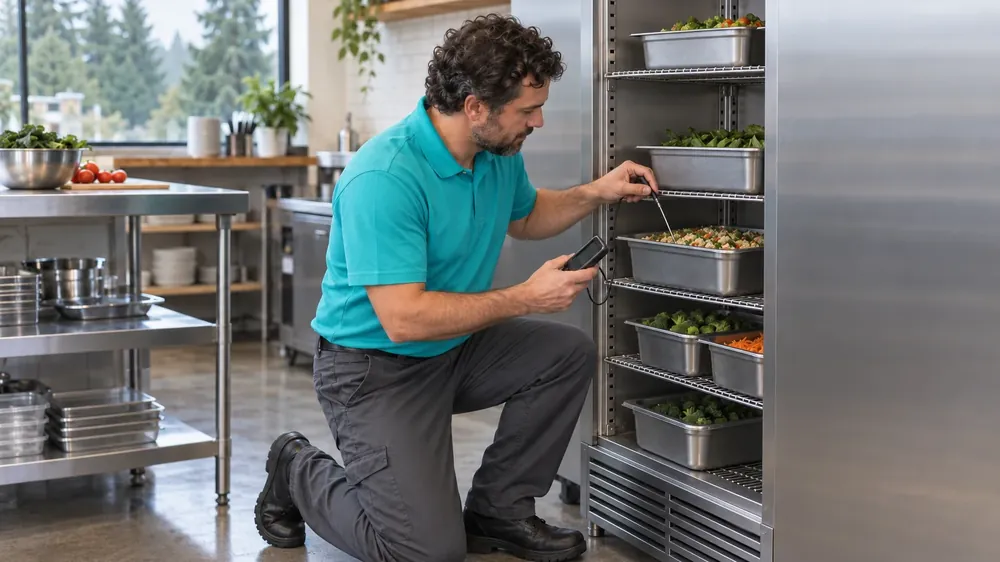
- Restaurants, cafes and bars. Commercial refrigeration repair covers walk-in and reach-in coolers and freezers, alongside service for ice machines, ranges, ovens, fryers, food warmers and commercial dishwashers.
- Retail stores and markets. Reach-in and display coolers or freezers receive attention when temperatures climb, doors stop sealing or frost builds up.
- Offices, warehouses and storage buildings. Break-room refrigerators, dishwashers and microwaves are covered for businesses around Birch Bay and Whatcom County.
- Apartment buildings and managed properties. Landlords and property managers can discuss appliances in several units and washers or dryers in shared laundry rooms.
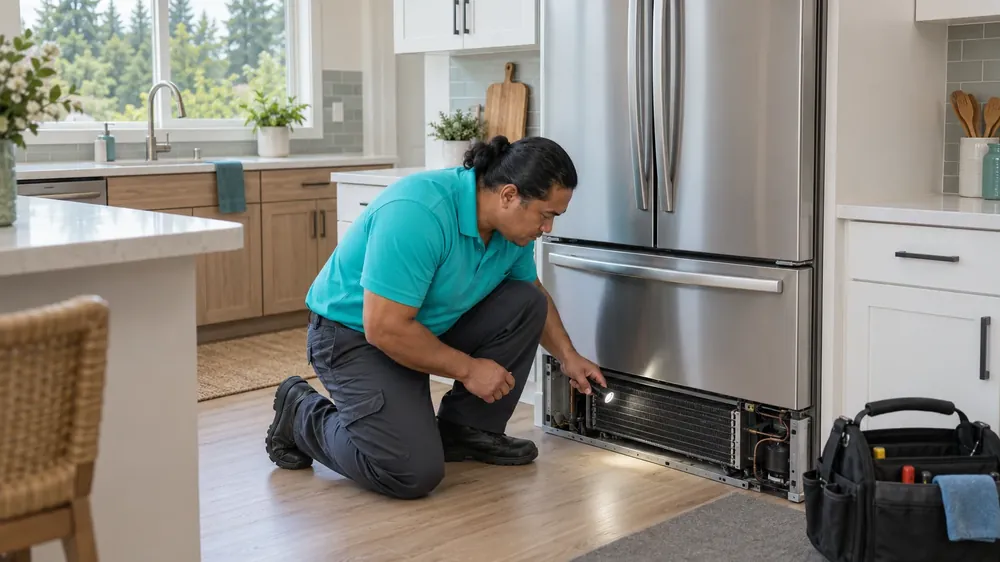
- Vacation rentals and second homes. Managers can arrange attention to household refrigerators, cooking appliances, dishwashers and laundry machines between guest stays.
- Laundromats and guest laundry rooms. Commercial washers and dryers are covered in laundromats, campgrounds, RV parks and marinas.
- Schools and churches. Kitchen and fellowship-hall appliances include refrigerators, ovens, ranges, food warmers and dishwashers used for meals and gatherings.
- Medical and dental offices. Service covers staff-kitchen and break-room appliances, including refrigerators and microwaves used for employees' meals.
- Hotels and motels. Managers can call about guest laundry machines, ice machines and appliances in breakfast kitchens.
Commercial Equipment Problems That Interrupt the Working Day
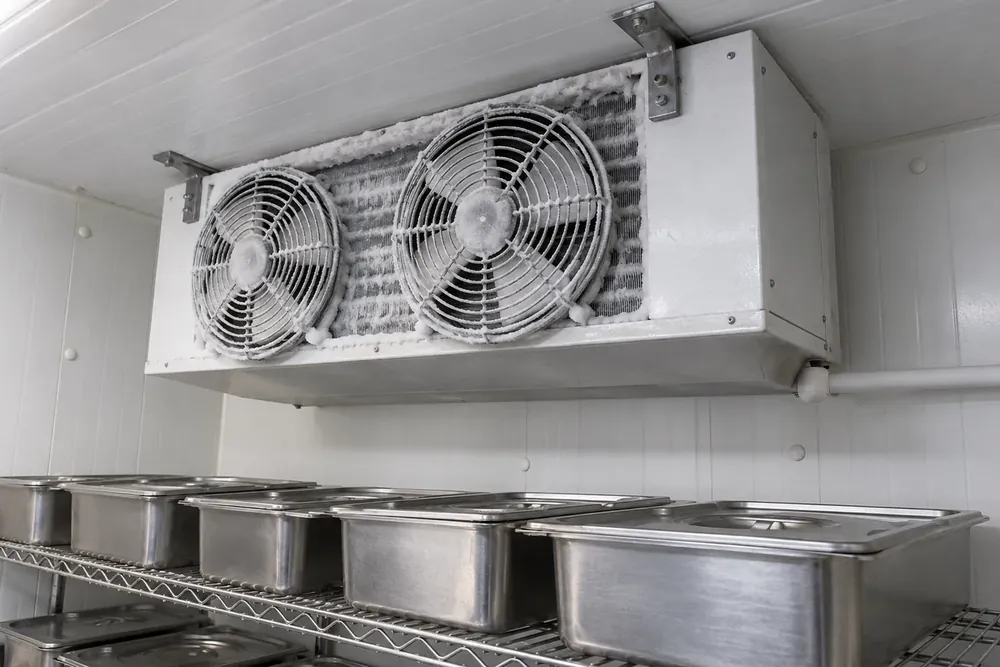
- Cooling trouble. Staff notice a warm morning reading, frost on an evaporator coil, nonstop compressor noise, repeated clicking or a door that no longer seals. Those signs help your technician distinguish airflow, defrost, door-seal and cooling-system problems.
- Ice production changes. Managers report no ice, thin or cloudy cubes, or water under the machine. Commercial ice machine repair addresses water-flow, freezing and drainage problems after the unit is checked.
- Dishwashing and cooking failures. Staff see a dishwasher fail to fill, heat or drain, or an oven or range fail to light, heat or hold temperature. Those symptoms point the inspection toward filling, draining or heating functions.
- Hot-holding equipment stops heating. Kitchen staff notice a cold food warmer, hot-holding cabinet or fryer. A heating or control fault needs attention; stop using the failed unit.
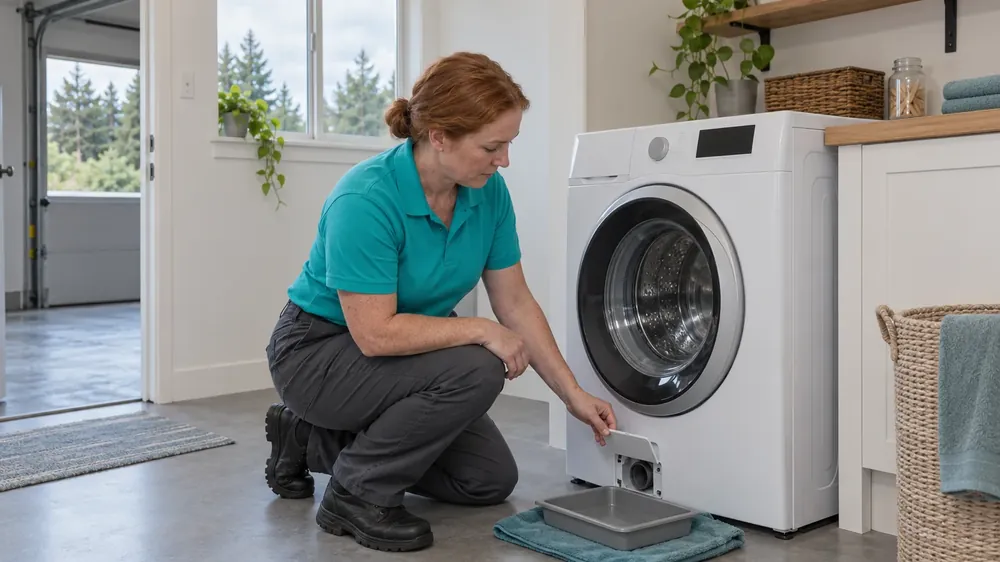
- Laundry cycles stall. Users report washers that will not spin or drain, dryers without heat, or machines that will not start. Read any display code exactly on the call; the model determines what it means.
- Several units need attention. A property manager reports failures across apartments or rentals. One call covers the affected appliances, with each unit's symptoms kept separate for diagnosis.
Options When a Commercial Appliance Stops Working
Walk-in cooler repair and other commercial jobs follow one of three paths, depending on the fault, the unit's condition and the parts needed.
| Option | When it fits | What it involves |
|---|---|---|
| Repair now | Your technician identifies a failed part that can be repaired or fitted during the visit. | Complete the agreed repair and test the unit's operation. |
| Temporary cooling plan | A cooling appliance needs a part that must be ordered. | Stop using the failed unit, move food to a working cooler or freezer, keep its doors shut and log temperatures. |
| Replace the unit | An old unit, a failed sealed system or discontinued parts make replacement worth considering. | Discuss the findings and the replacement decision with the owner or manager. |
Your technician examines the equipment on site and explains which option fits the condition found.
How Commercial Appliance Service Moves From Call to Repair
- Describe the disruption. Call and name the business or building, the appliance and what staff noticed; mention whether you are open. Handy details include the exact display code, recent changes and the model label, often inside a door or on the cabinet frame.
- Connect with a local professional. A local appliance professional takes the request forward, including access arrangements with the owner, manager or landlord.
- Understand the work. Your technician checks the unit and explains the proposed repair and price so you can approve the work before it starts.
- Finish with a test and records. Ask your technician for a test run after the repair and a written record of the work to keep for the owner or property manager.
Appliance Records for Owners and Property Managers
Photos, readings and a written repair record help managers track each appliance without mixing up units or apartments.
- Unit identification. Keep a photo of the appliance and its model label with the building, kitchen or apartment location.
- Observed readings. Save temperature readings with the date and time, plus staff notes about noises, leaks or interrupted cycles.
- Written scope. Retain the description of the fault and the work agreed for that particular unit.
- Parts and labor receipts. File the repair receipts where the owner or manager can find them alongside the appliance record.
- Service log. Record the date, unit or apartment, what staff noticed and what was done, including the test after repair.
What Shapes Commercial Repair Costs in Birch Bay
- Equipment and fault. Refrigeration, ice, dishwashing, cooking and laundry jobs involve different parts; a sealed-system fault differs from a control or motor problem.
- Make, age and parts. The unit's model affects whether the needed part is stocked or must be ordered.
- Access. A built-in kitchen line, outdoor or rooftop condensing unit, or stacked laundry changes the work involved.
- Number of units. Several appliances or apartments add separate checks and repair tasks.
- Visit arrangements. An ordered part may require another visit; opening hours and requested work outside business hours also affect the scope.
One of our local appliance repair partners explains the proposed work and its price for your approval before repairs begin; see appliance repair cost factors.
Why Birch Bay Business Owners Call
- Calls answered 24/7. Owners and managers can report a stopped machine whenever they notice the problem, including outside their normal business hours.
- A local appliance professional. Your call connects you with someone who handles appliance problems for businesses, landlords and managers in the area.
- Work explained first. The scope and price are discussed ahead of repairs, giving the person approving the job a clear description of the work.
- Records for the building. Photos, a written scope and repair receipts help owners track what happened to each appliance and keep maintenance files useful.
- Coverage around Birch Bay. Businesses in Birch Bay, Blaine, Ferndale, Lynden and Bellingham can call about kitchen appliances, refrigeration and laundry equipment.
Safety Steps for Staff and Building Managers
Keep people away from immediate hazards and call about the failed appliance; the details below are useful during the conversation.
- Handy to mention. Name the unit, describe the leak or temperature change, and read the display code exactly if visible.
- Warm food storage. For most foods requiring temperature control, the FDA Food Code specifies cold holding at 41°F or below; discard unsafe food unless an approved reconditioning procedure applies (FDA Food Code, sections 3-501.16 and 3-701.11).
- Gas odor. If anyone smells gas near a range, oven, fryer or dryer, do not touch switches or operate the appliance; evacuate everyone and call Cascade Natural Gas or 911 from a safe location outside (Cascade gas emergency instructions).
- Leaks underfoot. Stop using a leaking ice machine or dishwasher and keep staff away from the wet floor until the hazard is corrected, following OSHA's walking-surface requirements.
- Sealed cooling systems. Staff should leave the sealed refrigerant system closed; refrigerant handling is regulated under EPA's equipment servicing rules.
Appliance Repair for Your Home Too
The same phone line covers home refrigerators, washers, ovens and stoves for owners, managers and staff around Birch Bay; the home repair pages are below.
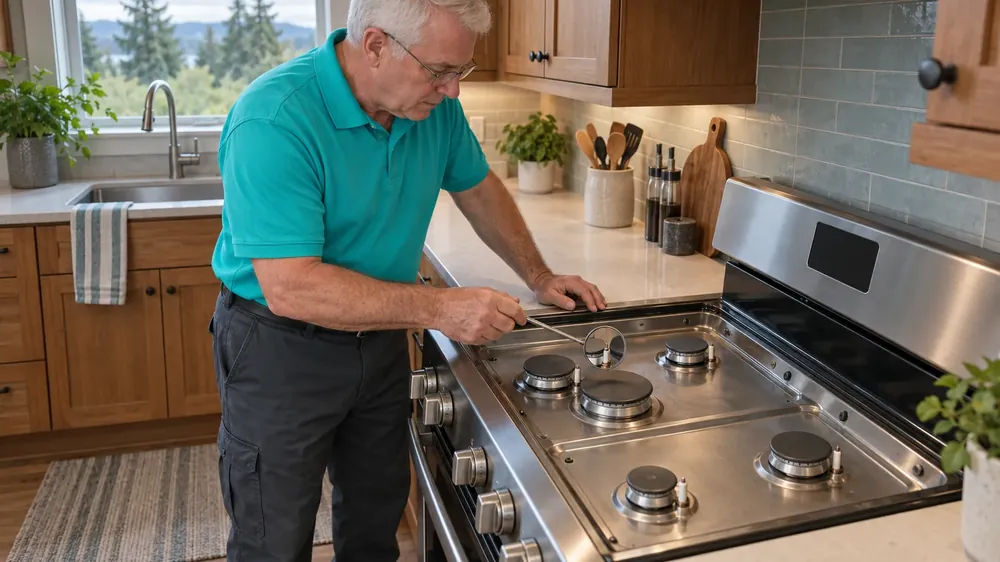
Commercial Appliance Service Around Birch Bay
Local appliance professionals handle business kitchens, rental-unit appliances and shared laundry equipment across Birch Bay, Blaine, Ferndale, Lynden and Bellingham. Call about the affected building and describe the unit that stopped working.
Commercial Appliance Repair FAQs
Can I arrange ice machine repair for my business and help with appliances at home through the same number?
Yes, the same phone line handles business ice machines and household appliance repair. Tell the person answering whether the unit is in a business kitchen, guest area or home, and describe what stopped working. A manager can report a failed ice machine at work and a separate home appliance problem during the conversation.
Who handles commercial refrigerator repair in Birch Bay, and which other units are covered?
A local appliance professional handles commercial refrigerators, with service also covering walk-in and reach-in coolers, commercial freezer repair, ice machines, dishwashers, ranges, ovens, fryers, food warmers and commercial washers and dryers. Name the equipment and its use when you call. For a medical or dental office, coverage concerns the staff kitchen and break room.
What should a manager do when a walk-in or reach-in starts running warm?
Call about the warm unit and move food to working cold storage while keeping unnecessary door openings to a minimum. Record food temperatures and the time readings were taken. The FDA Food Code generally specifies 41°F or below for cold-held food requiring temperature control (FDA cold-holding provisions); share the readings with your technician.
Can a landlord report appliances in several apartments, a vacation rental or a shared laundry room?
Yes, a landlord or property manager can describe several affected appliances in one call, including rental-home machines and shared laundry equipment. Identify the building or rental and tell the person answering which units have problems. Access details, guest changeover dates and whether tenants use the machine help organize the work without mixing up separate faults.
What records should an owner or manager keep after a commercial appliance repair?
Keep the unit identification, written scope, repair receipts and a dated record of the symptoms and work completed. Photos of the model label help distinguish similar appliances across apartments or kitchens. Add temperature readings for cooling equipment and staff observations for intermittent faults, so the next person reviewing the file can understand the repair history.
What affects the cost of repairing a business appliance?
Equipment type, the failed part, access, parts sourcing and the number of affected units shape the cost. An older appliance may need a part ordered specifically for its model, and fitting it may involve a return visit. Tell your technician about opening hours and access restrictions; the repair scope and price are explained before work proceeds.
Call now about the appliance interrupting your Birch Bay restaurant, shop, laundromat or rental building, and describe what stopped working.
Call (360) 249-9871